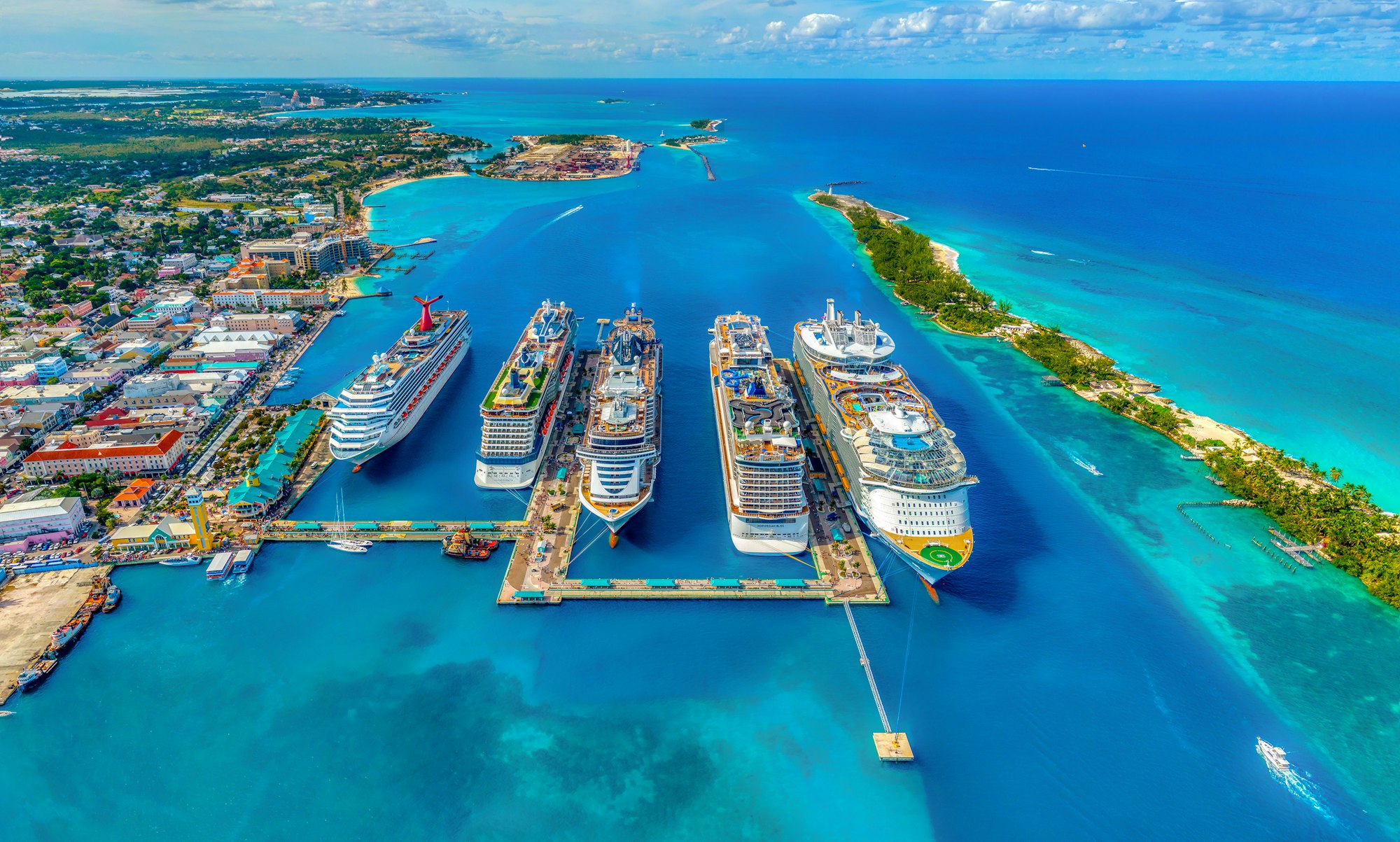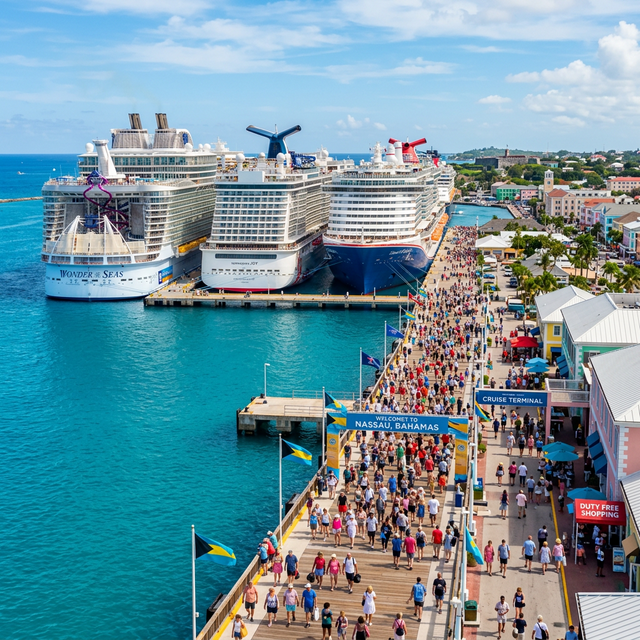
Safety is one of the most searched topics for anyone planning a cruise to Nassau, and it deserves an honest answer. Nassau is neither as dangerous as some online forums suggest nor as perfectly safe as cruise line marketing implies. The truth, like most things, sits in the middle. Millions of cruise passengers visit Nassau safely every year, but understanding the real situation helps you make smart decisions during your port day.
This guide provides a straightforward, no-nonsense assessment of safety in Nassau for cruise passengers in 2026.
The Honest Overview
Nassau is a major Caribbean capital city with a population of approximately 280,000 people. Like any city of that size, it has both safe areas and neighborhoods where tourists should exercise caution. The vast majority of crime in Nassau occurs outside of tourist zones and involves local residents, not visitors.
For cruise passengers who stick to established tourist areas during daylight hours, the risk profile is comparable to any popular Caribbean port. The Bahamian government and local businesses depend heavily on tourism revenue, which creates a strong economic incentive to maintain security in areas frequented by visitors.
That said, petty crime (pickpocketing, bag snatching, and scam attempts) does occur near the cruise port, particularly on busy ship days when large crowds create opportunities for opportunistic theft.
Safe Zones Near the Port
The following areas are well-patrolled, well-lit, and considered safe for cruise passengers during normal port day hours:
Bay Street and the Downtown Shopping District
Bay Street is the main commercial corridor running from the cruise port through downtown Nassau. Police officers and tourism security staff maintain a visible presence along this strip. The jewelry stores, duty-free shops, restaurants, and the Straw Market that line Bay Street are all within this safe zone.
Safety level: High. This is the most heavily monitored area for tourist activity.
Paradise Island and Atlantis Resort
Paradise Island operates almost like a controlled resort environment. The Atlantis resort has its own security, and the island in general caters to tourists. Whether you walk across the bridge or take a water taxi, Paradise Island feels secure and well-maintained.
Safety level: Very high. Private security supplements police presence.
Cable Beach
The Cable Beach hotel strip along West Bay Street is a well-established tourist area. The major resorts have security, and the beach area is popular with both visitors and local families. Taxi service between Cable Beach and the port is straightforward and reliable.
Safety level: High during daylight. Exercise normal caution at night.
Prince George Wharf and Festival Place
The immediate port area is secured and monitored by both port authority staff and police. Walking from your ship through Festival Place to downtown is safe and orderly.
Safety level: Very high. This is the most controlled area in Nassau.
Junkanoo Beach
The free public beach closest to the port is popular with cruise passengers and generally safe during daylight hours. Beach vendors and nearby businesses keep the area active and occupied.
Safety level: Good during daylight. Do not leave valuables unattended on the beach.
Arawak Cay (Fish Fry)
The collection of restaurants at Arawak Cay is a popular lunch destination for cruise passengers. The area is lively and well-frequented during daytime hours
Safety level: Good during daytime. Stick to the main restaurant area.
Areas to Avoid
Certain neighborhoods in Nassau are not appropriate for tourist exploration. These are residential areas where visitors stand out, and where crime rates are higher:
- The area known as “Over the Hill” south of downtown Nassau has higher crime rates and should be avoided by tourists.
- Bain Town and Grants Town neighborhoods south of Bay Street beyond the immediate downtown area.
- Any unfamiliar residential area after dark. If a street feels quiet, poorly lit, and empty of other tourists, turn around and head back toward Bay Street.
- Remote beaches east of the port where there are no other people around. Always swim at populated, well-known beach areas.
A basic rule that serves tourists well: if you can see other tourists or established businesses, you are likely fine. If you find yourself in an area with no tourist presence, you have gone too far.
Common Scams and How to Avoid Them
The Bracelet Scam
How it works: Someone approaches you offering to make a “free” friendship bracelet or braid. They tie it on your wrist, then aggressively demand payment of $10 to $20 or more.
How to avoid it: Politely but firmly decline any offers from people approaching you on the street. A simple “No thank you” while continuing to walk is effective. Do not stop or engage.
Unofficial Tour Guides
How it works: Individuals near the port offer to serve as your personal tour guide for the day. They may be informative and friendly, but they will expect a significant tip at the end, and the “suggested” amount can be aggressive.
How to avoid it: Only book tours through your cruise line, the official tourism desk at Festival Place, or reputable online tour operators. If someone approaches you unsolicited, decline. Legitimate tour operators do not recruit customers by approaching them on the sidewalk.
Taxi Overcharging
How it works: Some taxi drivers quote inflated prices, especially to passengers who are clearly just off a cruise ship. They may quote per-person prices that are well above the standard rate.
How to avoid it: Know the standard fares before you leave the ship. From the port to Paradise Island should be $8 to $12 per person. To Cable Beach, $15 to $20 per person. To Arawak Cay, $8 to $10 per person. Use the taxi queue managed by dispatchers at Festival Place rather than accepting rides from drivers who approach you individually. Always confirm the price before entering the taxi.
Aggressive Vendors at the Straw Market
How it works: Some vendors at the Straw Market use high-pressure sales tactics, calling out to passersby, physically guiding you into their stall, or making you feel obligated to buy after touching merchandise.
How to avoid it: Be friendly but firm. You are under no obligation to buy anything. “Just looking, thank you” works well. Bargaining is expected if you are interested in purchasing, but never feel pressured to buy. Walk away from any vendor who makes you uncomfortable.
Jet Ski and Water Sport Rental Issues
How it works: Beach operators rent jet skis or water sport equipment at one price but then add hidden fees for fuel, insurance, or time overages after you return the equipment.
How to avoid it: Use operators recommended by your cruise line or the official tourism desk. Get the total all-inclusive price in writing before paying. Take photos of any equipment before and after use to document pre-existing damage.
Emergency Contacts
Keep these numbers accessible during your port day:
- Police Emergency: 919
- Ambulance: 919
- Fire: 919
- Princess Margaret Hospital (main hospital): +1 (242) 322-2861
- Doctors Hospital (private): +1 (242) 302-4600
- US Embassy in Nassau: +1 (242) 322-1181 (located on Queen Street)
- Canadian Consulate: +1 (242) 393-2123
- UK High Commission: +1 (242) 225-6033
Important: Save these numbers in your phone before walking off the ship. In a genuine emergency, dial 919, which functions like 911 in the United States for police, fire, and ambulance services.
The US Embassy on Queen Street in downtown Nassau provides consular assistance to American citizens in emergencies, including lost or stolen passports, medical emergencies requiring evacuation, and crime victim assistance.
Travel Insurance Recommendations
For cruise passengers visiting Nassau, travel insurance provides valuable protection for several scenarios:
- Medical emergencies: Bahamian hospitals provide adequate care, but serious conditions may require evacuation to Miami. Medical evacuation can cost $25,000 or more without insurance.
- Theft or loss: Coverage for stolen valuables, phones, or cameras while in port.
- Trip interruption: If weather or other issues prevent you from returning to the ship, insurance covers additional accommodation and transport costs.
Check with your health insurance provider about international coverage. Many US health plans do not cover medical expenses in the Bahamas. A cruise-specific travel insurance policy from a reputable provider typically costs $50 to $150 per person for a week-long sailing and is well worth the investment.
Solo Traveler Safety Tips
Solo travelers, particularly women traveling alone, should take these additional precautions:
- Stick to popular, well-traveled routes. Bay Street, the waterfront, Paradise Island, and Cable Beach are all appropriate for solo walking during daylight.
- Tell someone your plans. Let a fellow passenger, the guest services desk, or someone at home know your rough itinerary for the day.
- Do not accept drinks from strangers at bars or beach establishments.
- Trust your instincts. If a situation or person makes you uncomfortable, leave immediately. It is always better to be overly cautious than to ignore a gut feeling.
- Avoid walking alone after dark in any area. Take a taxi back to the port if the sun is setting and you are still in town.
- Join group excursions rather than booking private tours with unknown operators if you are traveling alone.
Solo travelers who follow these guidelines consistently report positive, safe experiences in Nassau. The things to do page includes several group-friendly activities ideal for solo cruisers.
Night Safety
Most cruise passengers are back on the ship before sunset, but for those on late-departure sailings or considering evening activities:
- Stay in well-lit, busy areas. Bay Street near the port and the Atlantis resort area on Paradise Island are the safest options after dark.
- Take taxis rather than walking at night, even for short distances.
- Avoid Junkanoo Beach after dark. The beach is unmonitored at night and incidents have occurred.
- Travel in groups of two or more whenever possible after sunset.
- Be cautious with alcohol. Impaired judgment in an unfamiliar city increases your vulnerability significantly.
Practical Safety Habits for Port Day
These daily habits significantly reduce your risk profile:
Before leaving the ship:
- Leave your passport on the ship in the cabin safe. Carry your ship card and a photocopy of your passport instead.
- Bring only the cash you plan to spend, plus a small emergency reserve.
- Leave expensive jewelry on the ship.
- Charge your phone fully and save offline maps of Nassau.
While in port:
- Keep your phone in a front pocket or secure bag, not a back pocket.
- Use a crossbody bag rather than a shoulder purse or backpack.
- Stay aware of your surroundings, especially in crowded areas.
- Do not display large amounts of cash when making purchases.
- Walk with purpose and confidence. Tourists who look confused attract more attention.
When returning to the ship:
- Head back well before the all-aboard time.
- Use the main, well-traveled routes back to the port.
- Have your ship card and ID ready for the security checkpoint.
The Bottom Line on Nassau Safety
Nassau is safe for the overwhelming majority of cruise passengers who exercise basic travel awareness. The tourist zones around the cruise port are actively monitored, and the Bahamian tourism industry takes visitor safety seriously.
The passengers who have negative experiences almost always share a common pattern: they wandered far from tourist areas, accepted offers from unsolicited strangers, left valuables unattended on the beach, or consumed too much alcohol in unfamiliar surroundings.
Stay in tourist zones, keep your wits about you, travel in groups when possible, and treat Nassau the way you would treat any city you are visiting for the first time. Do that, and your Nassau port day will be memorable for all the right reasons.
For broader Bahamas cruise planning, including the notably quieter and more relaxed port experience at Freeport Bahamas, explore our other destination guides and make informed decisions about every stop on your itinerary.